Spherical sand with low angularity coefficient, ideal raw sand for precision casting
What is Angularity Coefficient/Advantages of Spherical Sand in Foundry Production
Journal
Read buying guides, product notes, material stories, and field updates from the team.

What is Angularity Coefficient/Advantages of Spherical Sand in Foundry Production

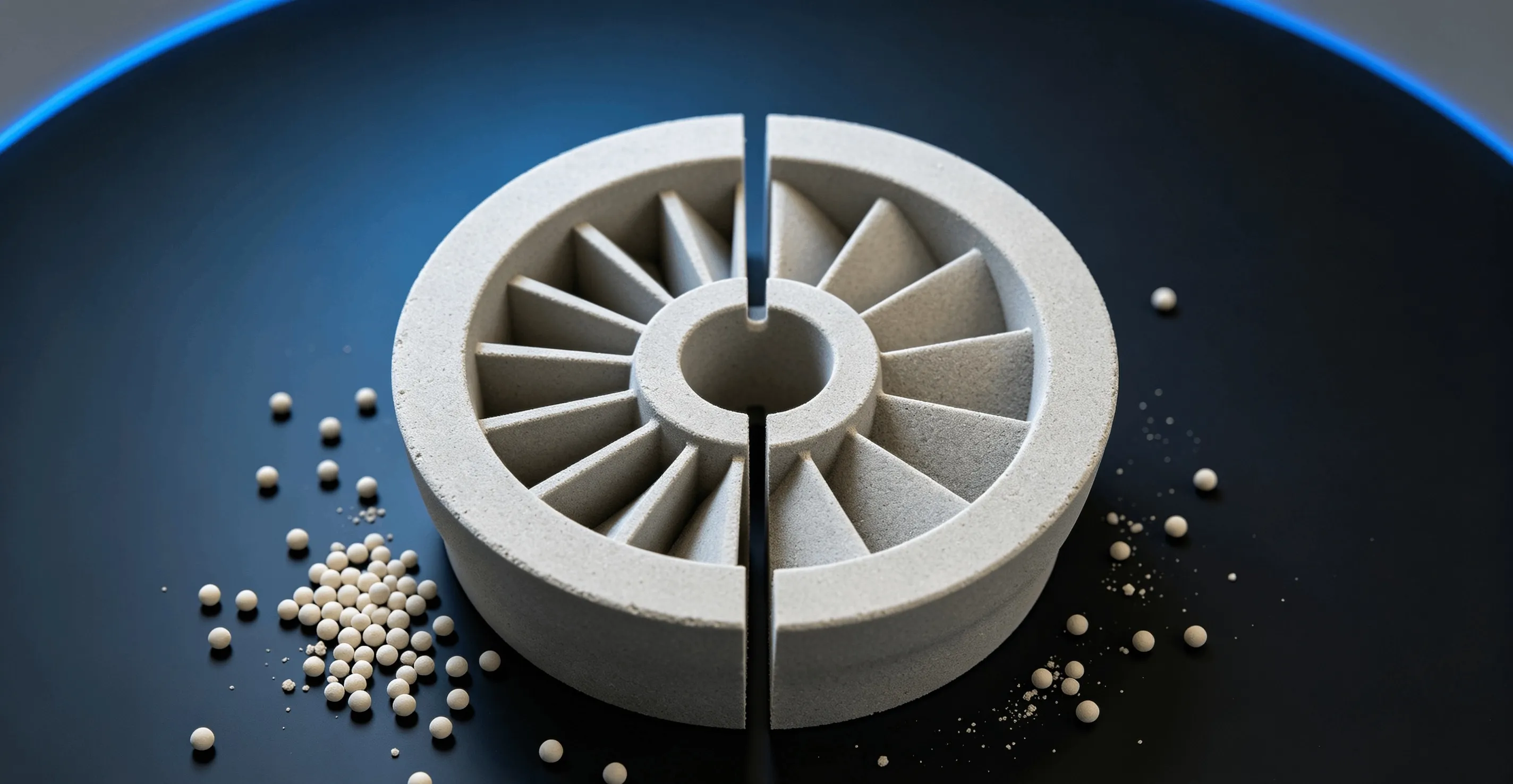
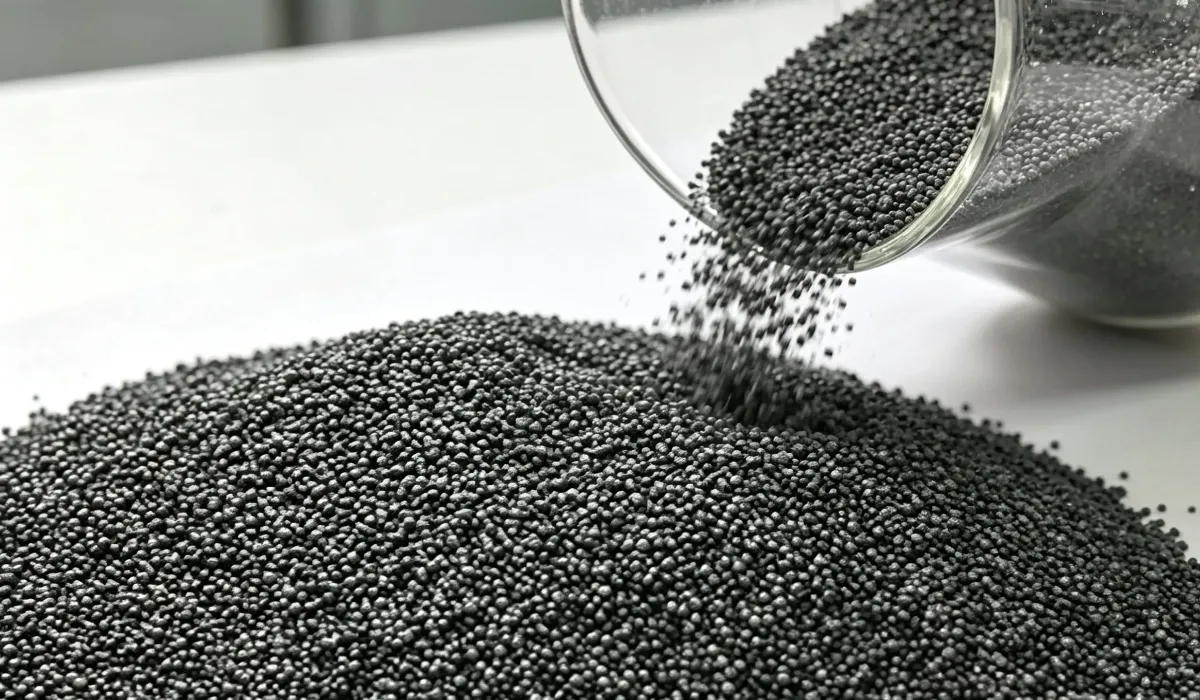
Sintered ceramsite sand is a spherical foundry sand produced from bauxite by rotary kiln sintering.

and mold 3D printing drives the upgrading of traditional foundry industry. This paper analyzes the properties and applications of silica sand, ceramic foundry sand and chromite sand.
Recommended products
Popular pieces selected to support the routines, repairs, and ideas featured in our journal.

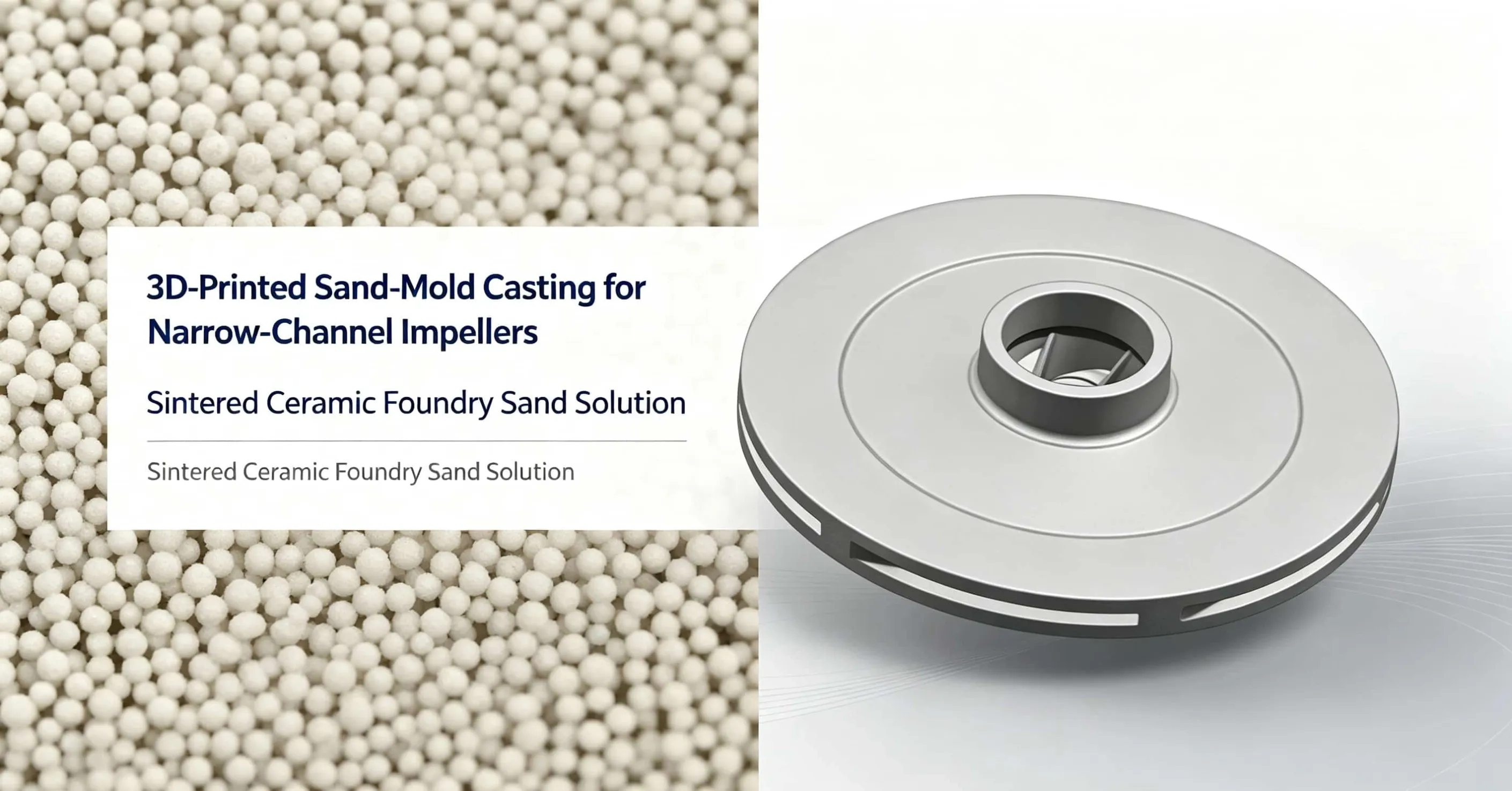
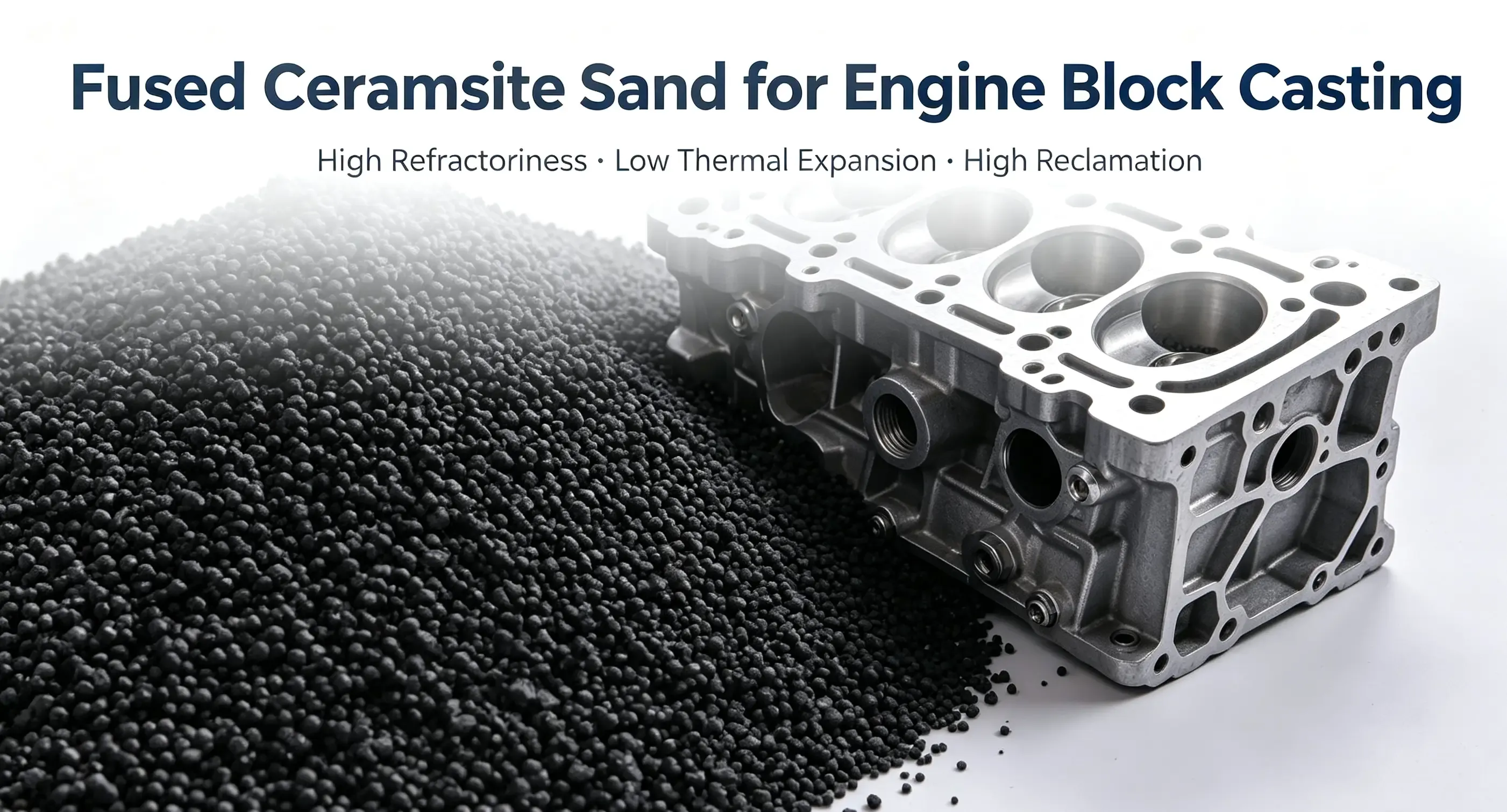
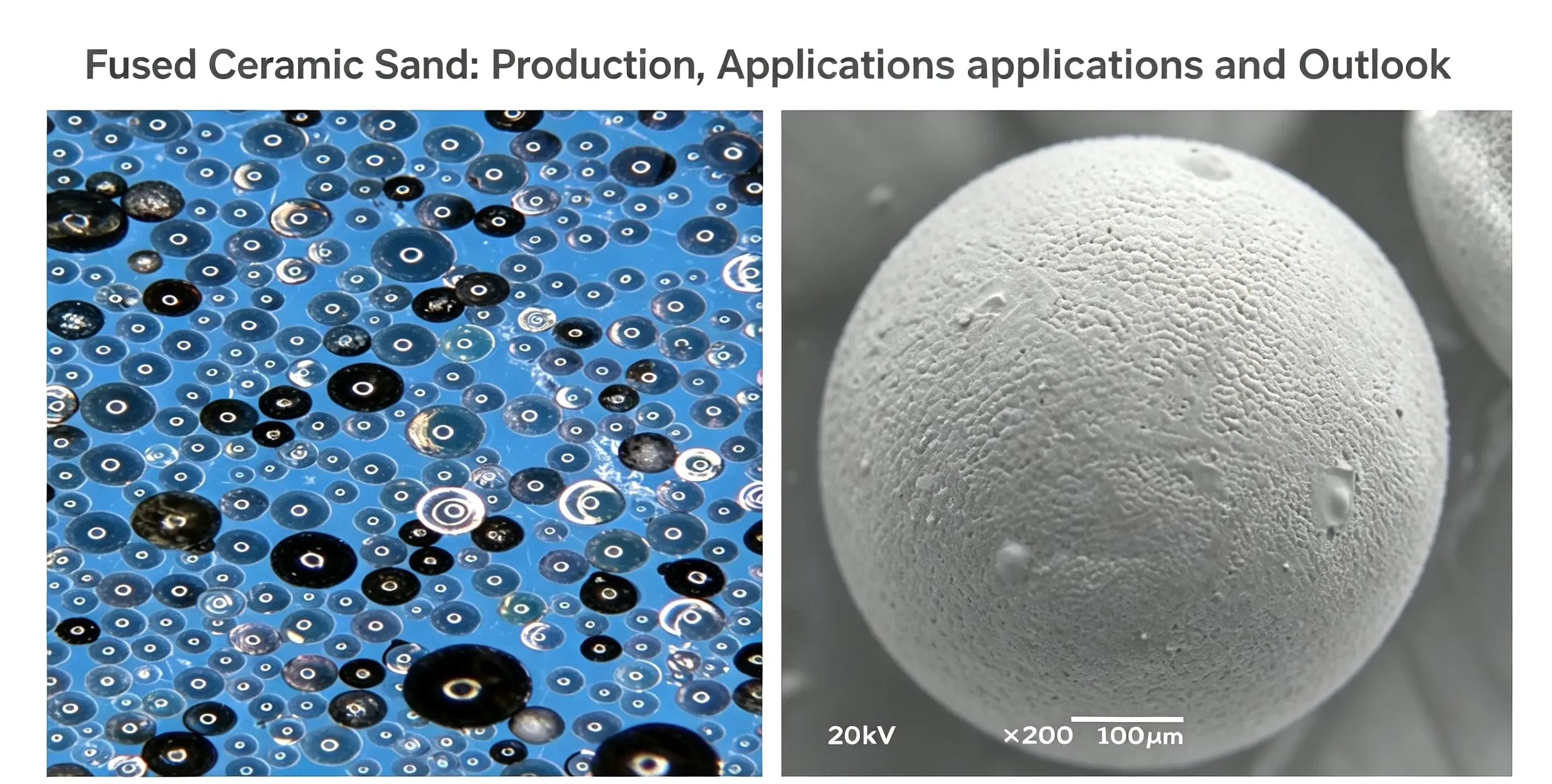
Ceramic sand (also named ceramsite, cerabeads, ceramcast) is artificial spherical foundry grain produced from calcined bauxite, mainly composed of aluminum oxide and silicon oxide. Outperforming silica sand in multiple indicators, it has high refractoriness, low thermal expansion, good flowability and high reclamation rate, with strong resistance to wear, crush and thermal shock. Sintered ceramic sand works especially well for binder‑jet 3D printing in foundry production.

A structured carryall for short trips, gym days, and the extra layer you always bring.

Sintered ceramsite sand is spherical refractory base sand manufactured by high-temperature melting and sintering of high-alumina bauxite.