
Sep 14, 2026Technical Articles
Advantages and Limitations of Casting Process
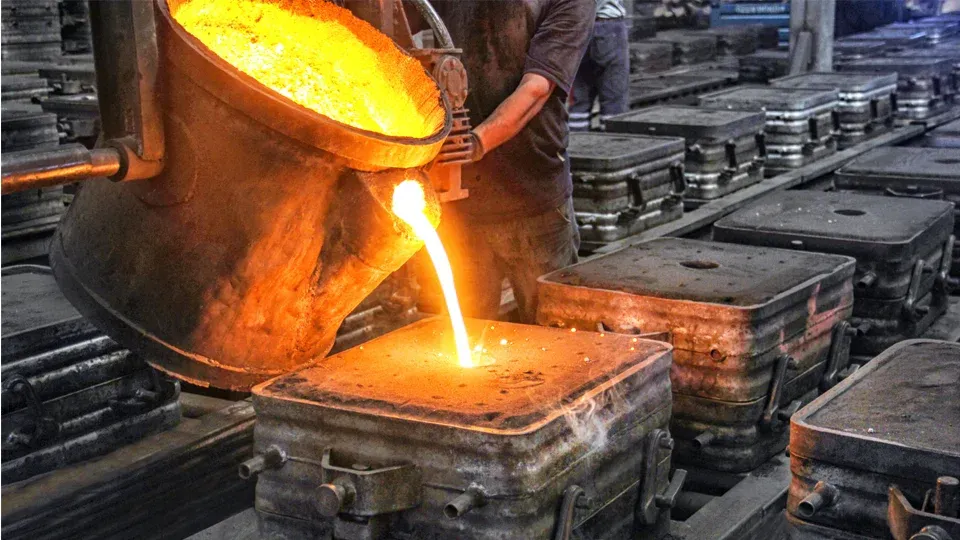
Learn its advantages and limitations on dimensional accuracy, surface finish and casting defects.
Journal
Read buying guides, product notes, material stories, and field updates from the team.
Learn its advantages and limitations on dimensional accuracy, surface finish and casting defects.
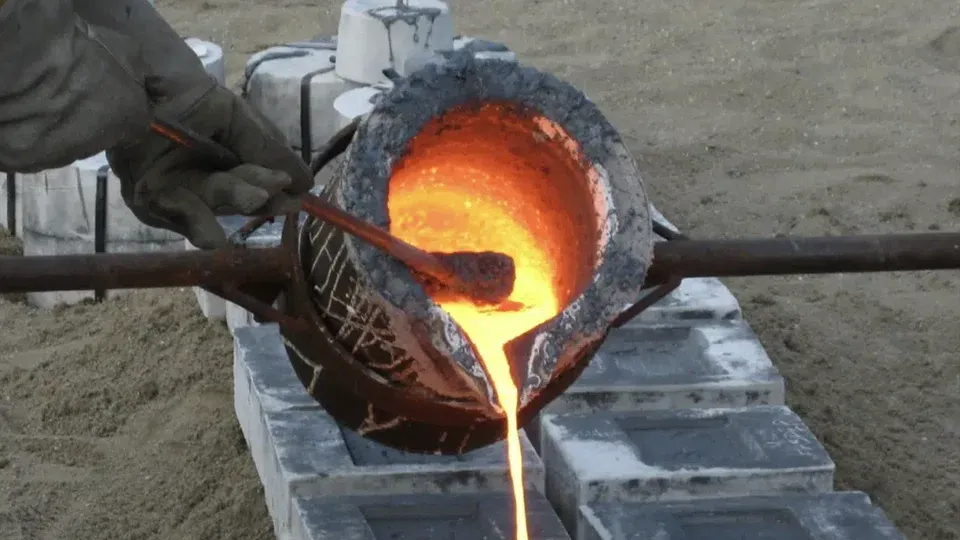
Learn seven key performance indicators for foundry molding sand & core sand: strength, permeability, refractoriness, yield, disintegration, flowability and plasticity.
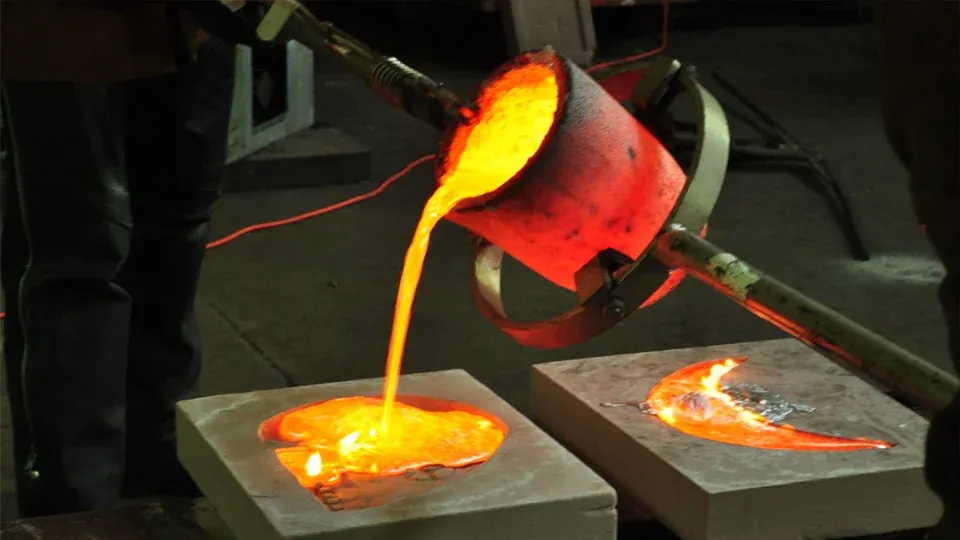
Compare cast iron, cast steel, aluminum, copper, zinc and magnesium alloys. Properties, typical applications and practical material‑selection tips for foundry engineers
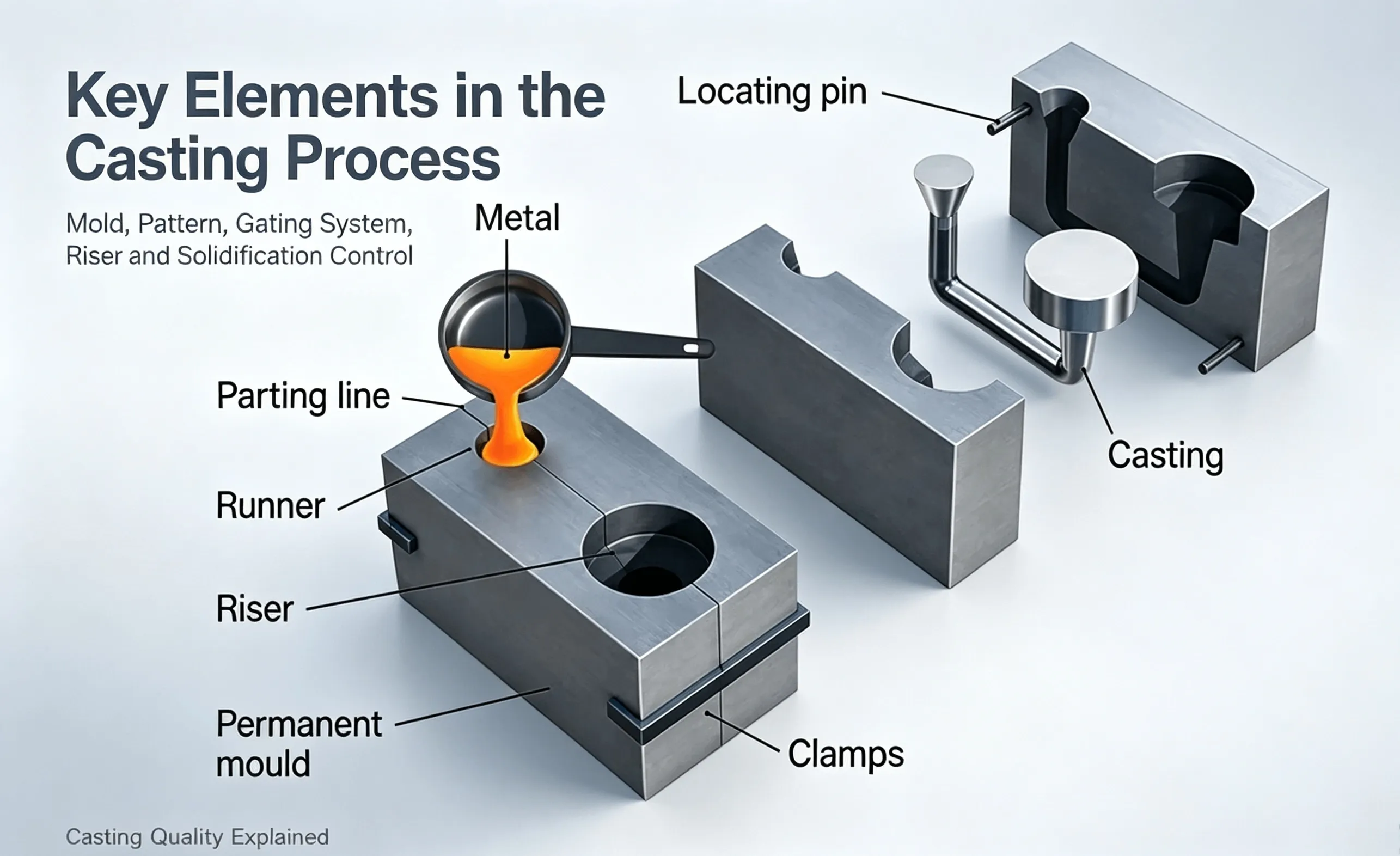
Understand six key elements of casting process: mold, pattern, molten metal, gating system, riser, cooling‑solidification control. Master core factors to avoid casting defects and improve part quality
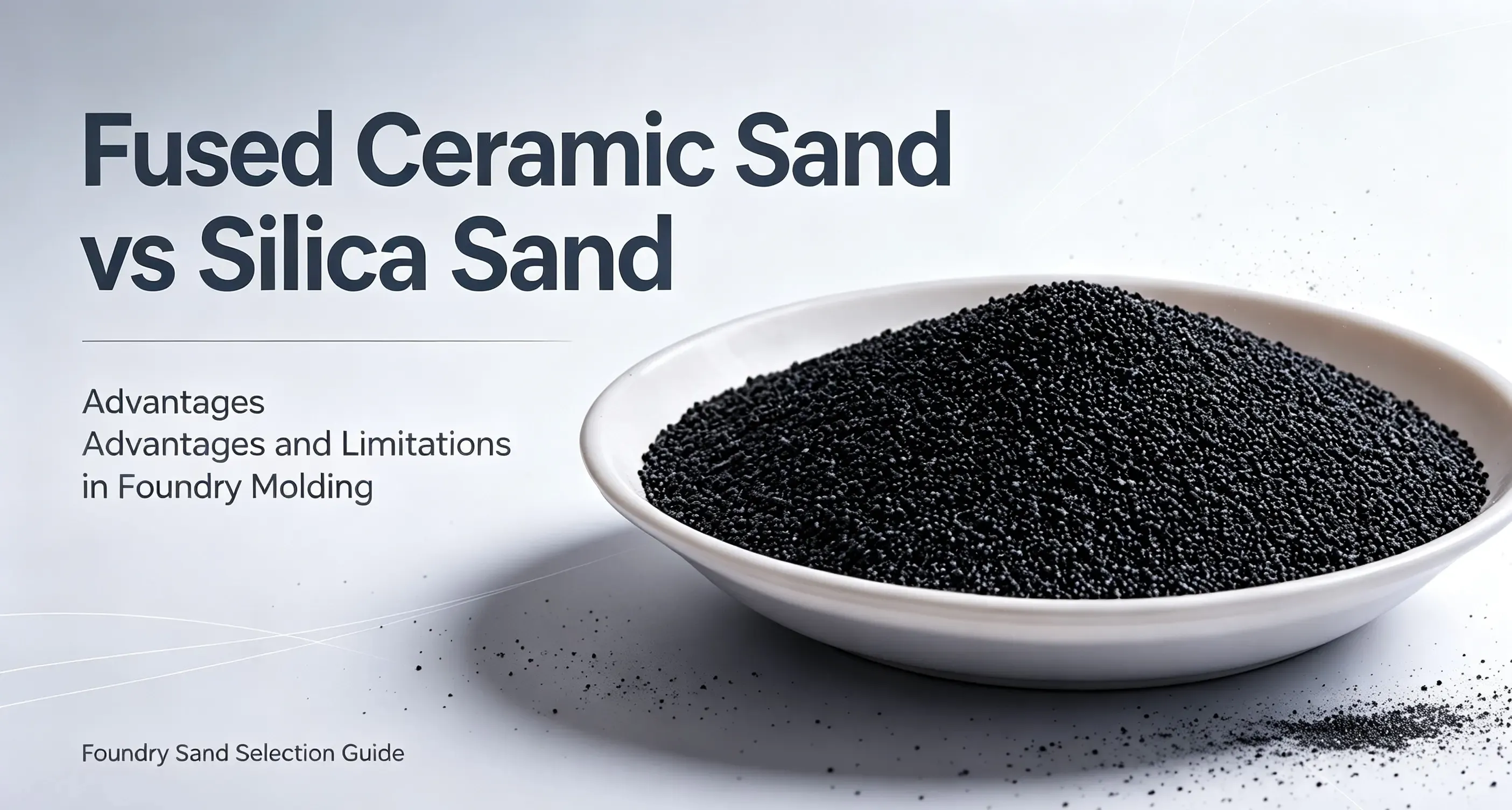
Comparison of pearl ceramic sand, silica sand, zircon sand, chromite sand, olivine sand and magnesia sand: advantages, limitations and application guidance for modern foundry production.
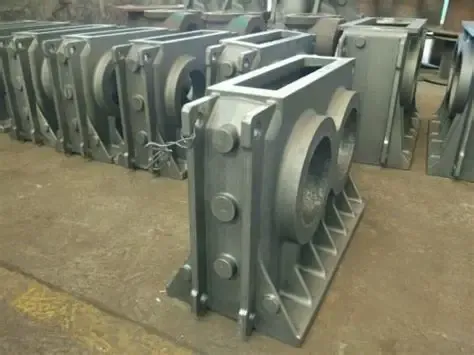
Porosity is a frequent defect in lost‑foam casting. Learn its root causes and practical solutions. Sintered ceramic sand improves mold breathability to reduce gas‑hole defects for your castings.
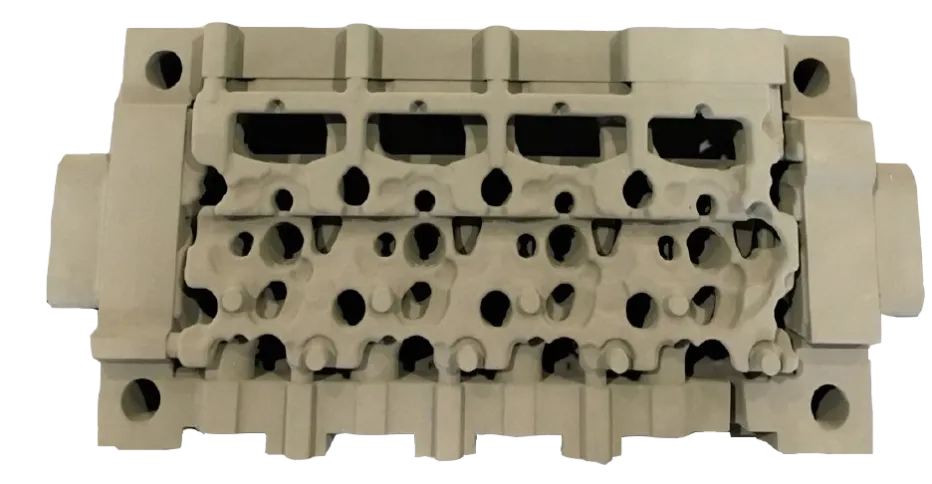
and mold 3D printing drives the upgrading of traditional foundry industry. This paper analyzes the properties and applications of silica sand, ceramic foundry sand and chromite sand.
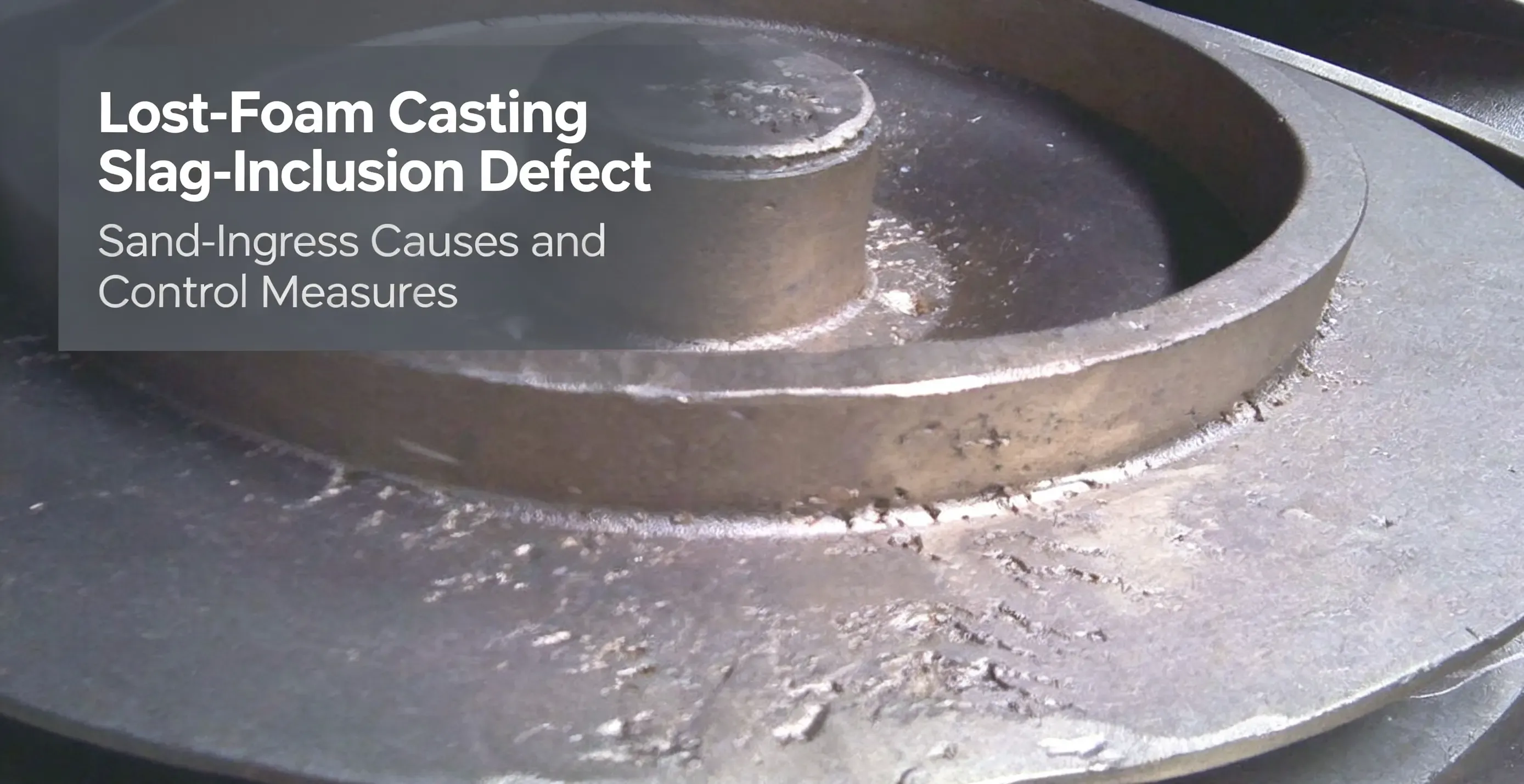
Slag‑inclusion & sand‑ingress defects in lost‑foam casting: root causes and countermeasures for coating, flask filling, pouring temperature, vacuum, gating system and molten metal purification.
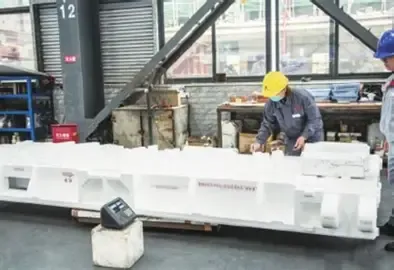
Practical solutions for slag‑inclusion & sand‑ingress defects in lost‑foam casting. Guidance on coating, flask operation, pouring parameters, vacuum setting and molding sand selection.